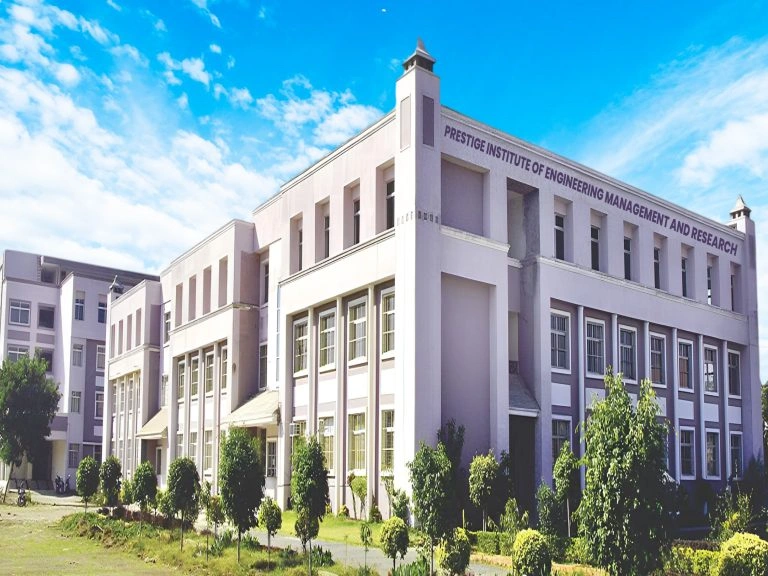
Prestige Institute of Engineering Management & Research (PIEMR), Indore, established under the patronage of Dr. N. N. Jain, Chairman & Founder of the Prestige Education Foundation, is approved by the All India Council for Technical Education (AICTE), New Delhi, and the Directorate of Technical Education (DTE), Government of Madhya Pradesh. Affiliated with Rajiv Gandhi Technical University (RGTU), Bhopal, and located in Indore—the financial capital of Madhya Pradesh—PIEMR is recognized as one of Central India’s leading engineering institutes, committed to delivering quality technical education with academic autonomy.
PIEMR emphasizes innovation, research, and industry engagement, marked by key initiatives such as its collaboration with NITI Aayog through Prestige Drone Tech for agricultural services in the Malwa and Gird regions. The institute is a core collaborator with SAE India, regularly engages industry experts and entrepreneurs, and has been designated as a Nodal Center for Virtual Labs by IIT Delhi, fostering a future-ready learning ecosystem for students, faculty, and staff.
PIEMR nurtures talent through experienced faculty, mentorship, and continuous engagement with renowned engineers, academicians, and successful entrepreneurs.
From being a Nodal Center for Virtual Labs (IIT Delhi) to collaborating with NITI Aayog through initiatives like Prestige Drone Tech, PIEMR fosters hands-on innovation, research, and real-world problem-solving.
Approved by AICTE and affiliated with Rajiv Gandhi Technical University (RGTU), Bhopal, PIEMR blends academic rigor with practical, industry-aligned learning to ensure students are job-ready and future-focused.
As a core collaborator with SAE India, PIEMR provides students exposure to national-level technical platforms, professional networks, and skill-enhancing opportunities beyond the classroom.
Our curriculum emphasizes practical exposure, live projects, expert lectures, and quality training programs, helping students develop technical expertise, leadership qualities, and entrepreneurial mindset.
Located in Indore, the financial and educational hub of Madhya Pradesh, PIEMR offers students access to vibrant industry connections, career opportunities, and a dynamic learning ecosystem.
PIEMR, Indore combines academic excellence with hands-on exposure to prepare students for real-world challenges.


1. What is the PIEMR academic philosophy for the engineering program?
Our academic philosophy focuses on student-centric learning, strong fundamentals, and real-world application of engineering concepts, preparing students for industry, research, and higher education.
2. How does the learning approach of PIEMR differ from other traditional teaching?
We emphasize experiential learning, problem-based instruction, and interactive classrooms rather than rote memorization, encouraging critical thinking and innovation.
3.Is the PIEMR curriculum industry-oriented?
Yes, the curriculum is aligned with industry standards and is periodically updated with inputs from industry experts, academic advisors, and alumni to ensure relevance.
4. Are soft skills and ethics part of the curriculum?
Yes, courses on communication skills, leadership, professional ethics, teamwork, and sustainability are integrated into the curriculum.
1. What are the eligibility criteria for admission?
Candidates must have completed 10+2 (or equivalent) with Physics, Mathematics, and Chemistry/Computer Science/Electronics as core subjects. A minimum aggregate percentage (usually 45–60%) may be required depending on the institution and category.
2. Which entrance exams are accepted?
Admissions are based on national, state, or university-level entrance exams such as: JEE Main / JEE Advanced State CETs
3. Are entrance exams mandatory for admission?
Yes, admission is primarily based on national, state, or university-level entrance examinations. Some institutions also offer merit-based or management quota admissions, as permitted.
4. Are there different eligibility criteria for different branches?
While core eligibility remains the same, specific branches may have additional requirements, such as higher proficiency in Mathematics or subject relevance.
5. What documents are required for admission?
Commonly required documents include: 10th & 12th mark sheet, Entrance exam scorecard, Transfer Certificate (TC), Migration Certificate (if applicable), Category/Caste Certificate (if applicable), Aadhaar/ID proof, Passport-size photographs.
6. Is lateral entry admission available?
Yes, Diploma holders can apply for lateral entry directly into the second year of engineering through entrance exams or merit-based selection.
1. What engineering programs are offered?
The institution offers a range of undergraduate and postgraduate engineering programs across core, emerging, and interdisciplinary domains, subject to approval by regulatory authorities.
2. Which undergraduate engineering degrees are available?
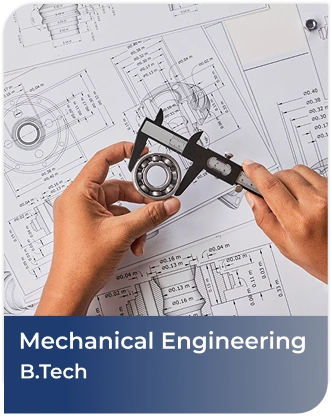
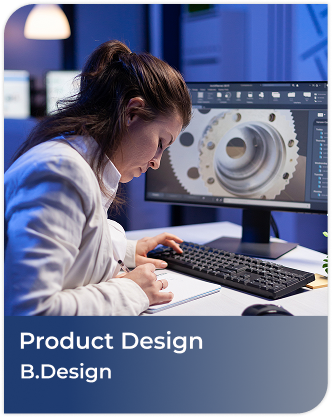
Programs typically lead to B.Tech degree in disciplines such as:
3. Which postgraduate engineering degrees are available?
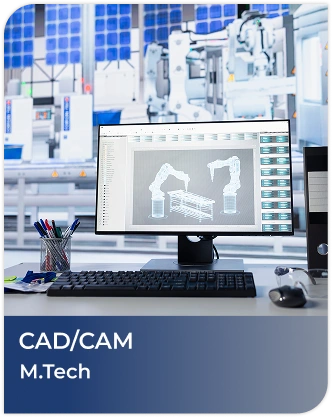
Programs typically lead to M.Tech degree in disciplines such as:
4. What is the duration of the engineering programs?
Regular Entry: 4 years (8 semesters)
Lateral Entry: 3 years (6 semesters)
5. How is the curriculum structured across the program?
The curriculum is structured to include:
6. Are interdisciplinary and emerging technology programs available?
Yes, students can opt for interdisciplinary electives, minors, or specialization tracks in emerging areas such as AI, IoT, Data Science, Robotics, and Sustainable Engineering.
7. Are internships mandatory in engineering programs?
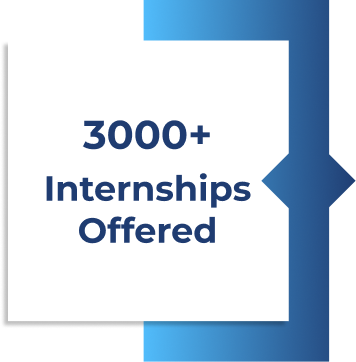
Yes, internships, industrial training, or fieldwork are integrated into the curriculum to enhance industry exposure and employability.
8. What types of projects do students undertake?
Students engage in:
9. How do engineering programs ensure holistic development?
Programs integrate technical knowledge, soft skills, ethics, leadership, sustainability, and lifelong learning, ensuring well-rounded graduate outcomes.
10. Are internships and global exposure part of the programs?
Yes, programs include mandatory internships, industry immersion, and opportunities for global exposure through collaborations, exchange programs, and international research internships.
11. What is the institute’s learning philosophy?
The institute follows a research-driven, student-centric, and experiential learning philosophy, fostering analytical thinking, innovation, and ethical engineering practice.
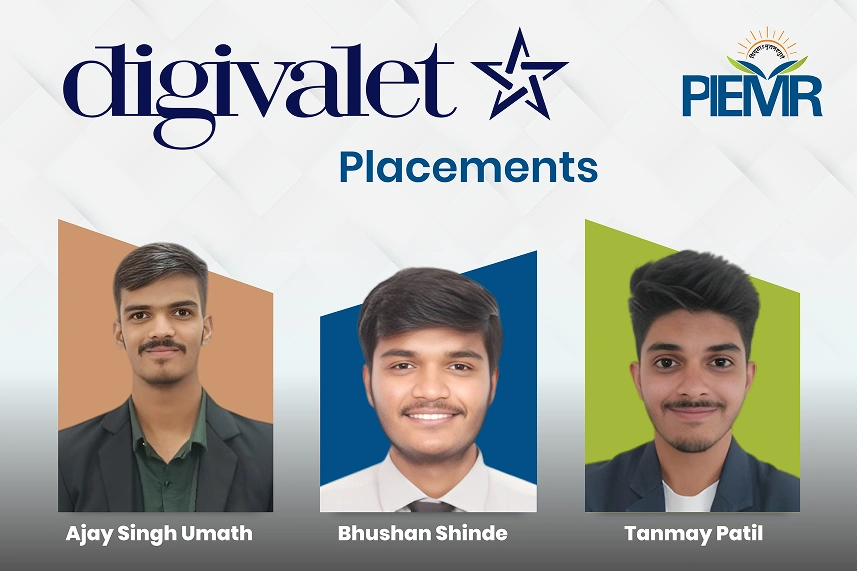
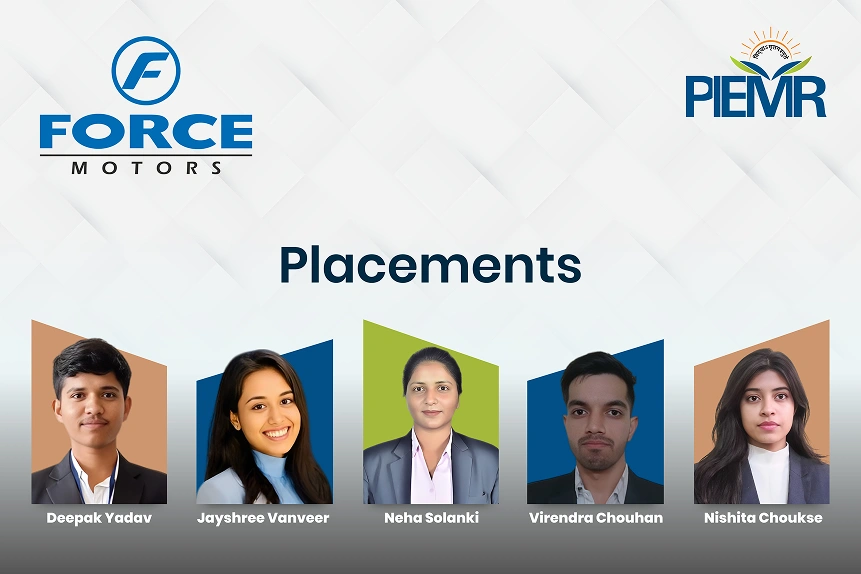
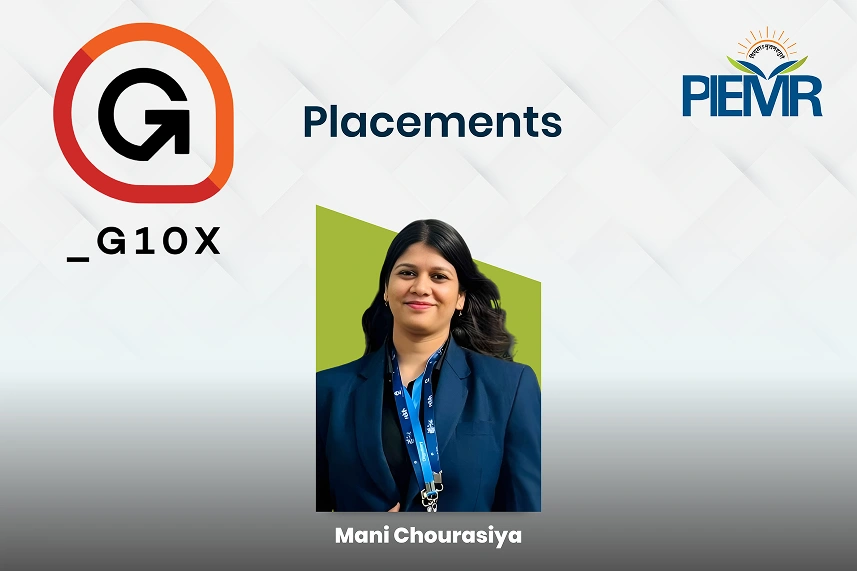
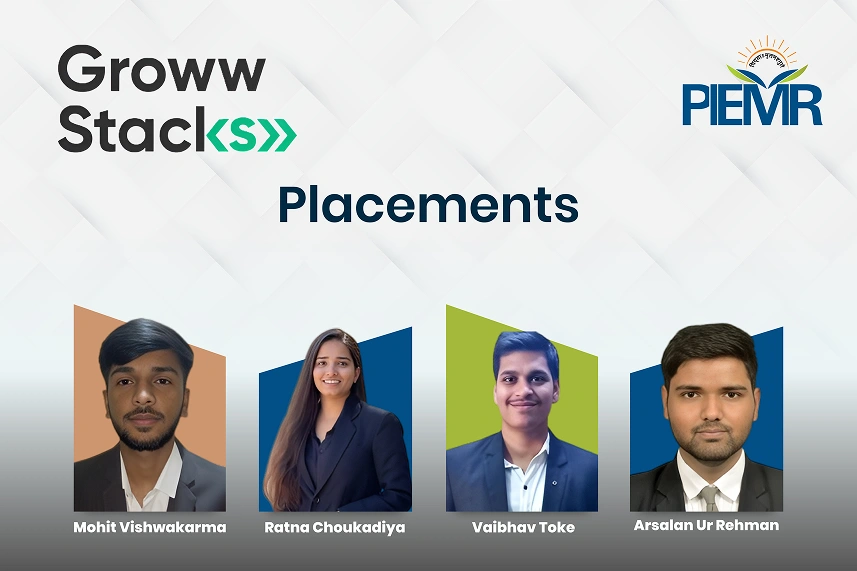
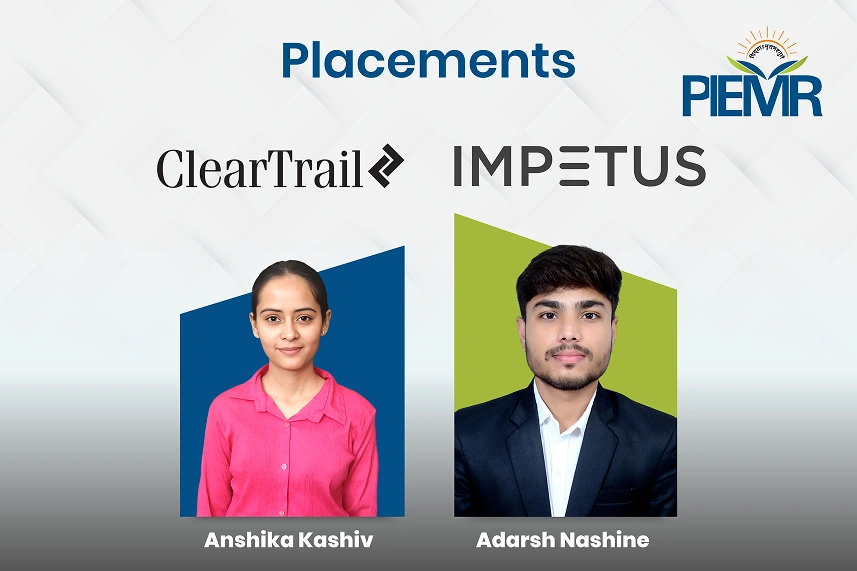
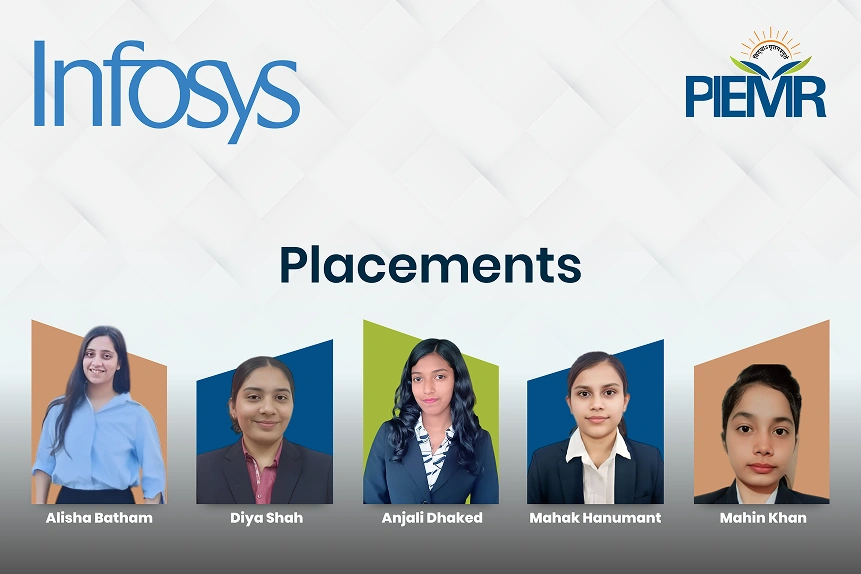
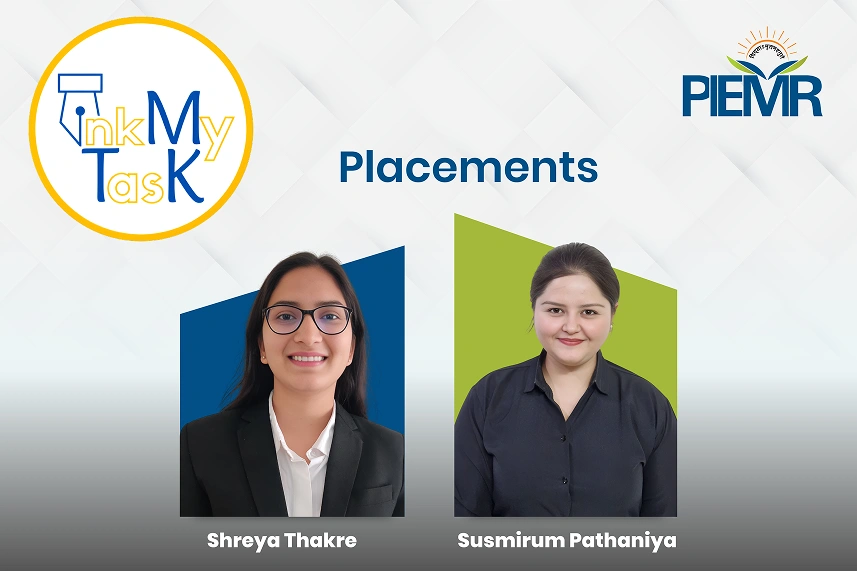
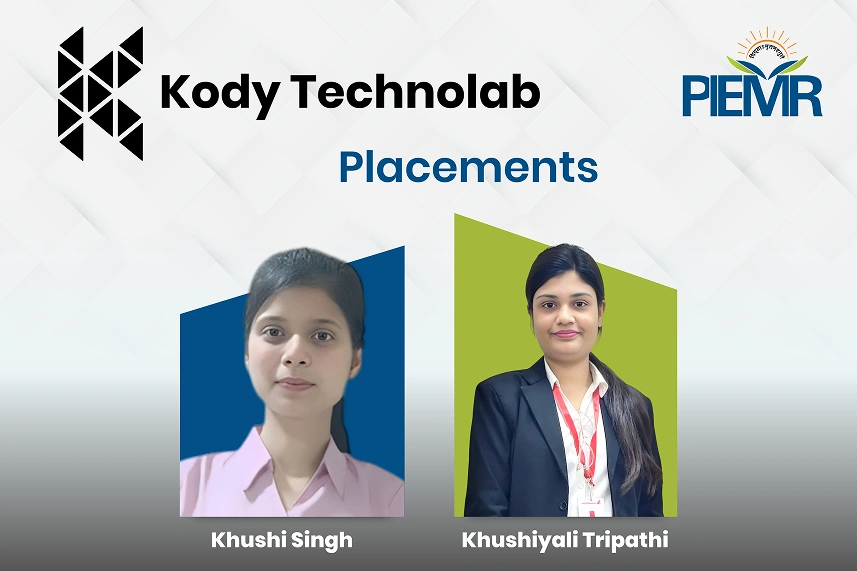
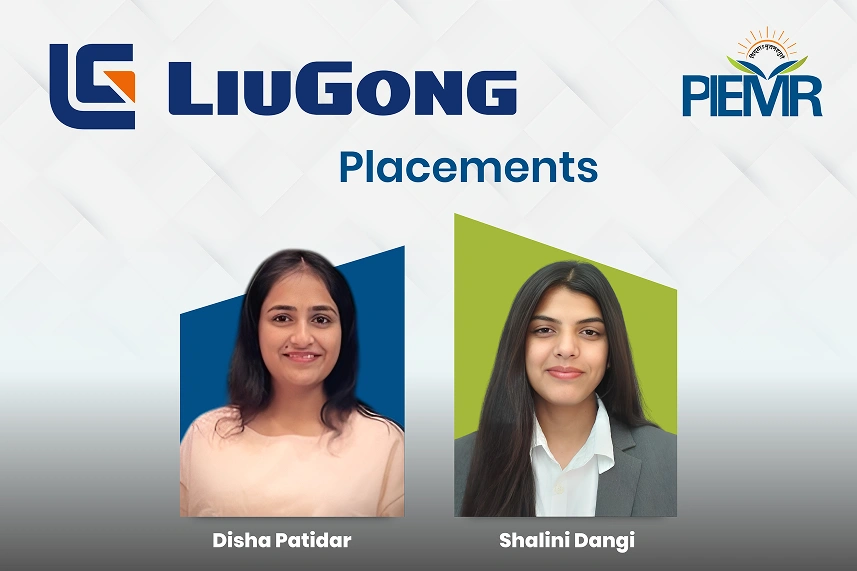
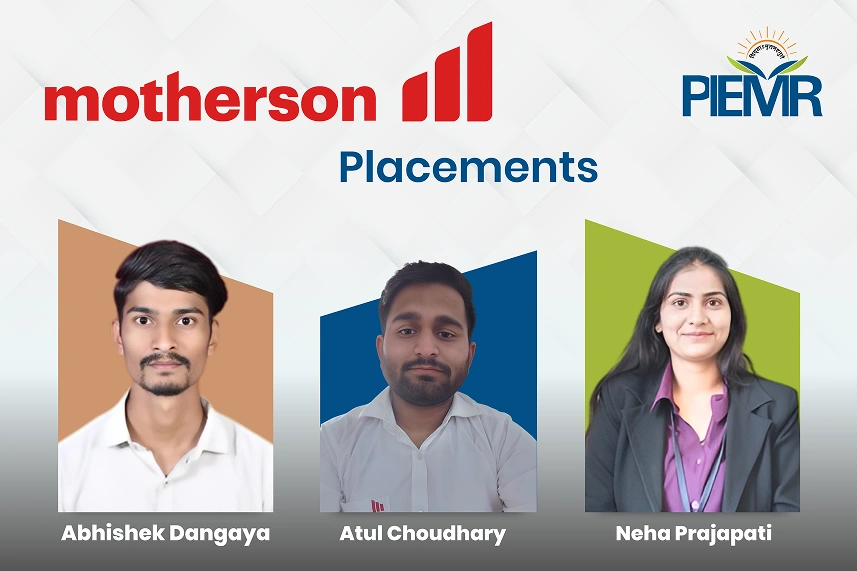
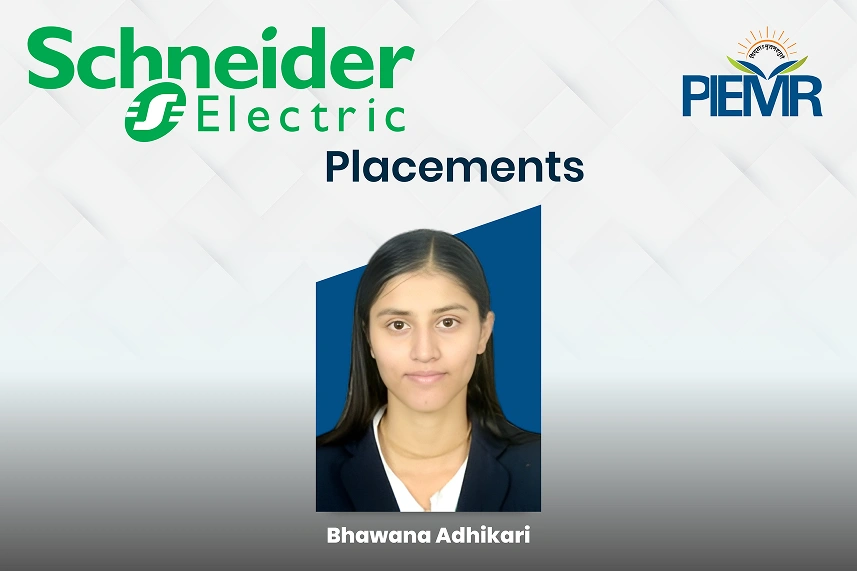
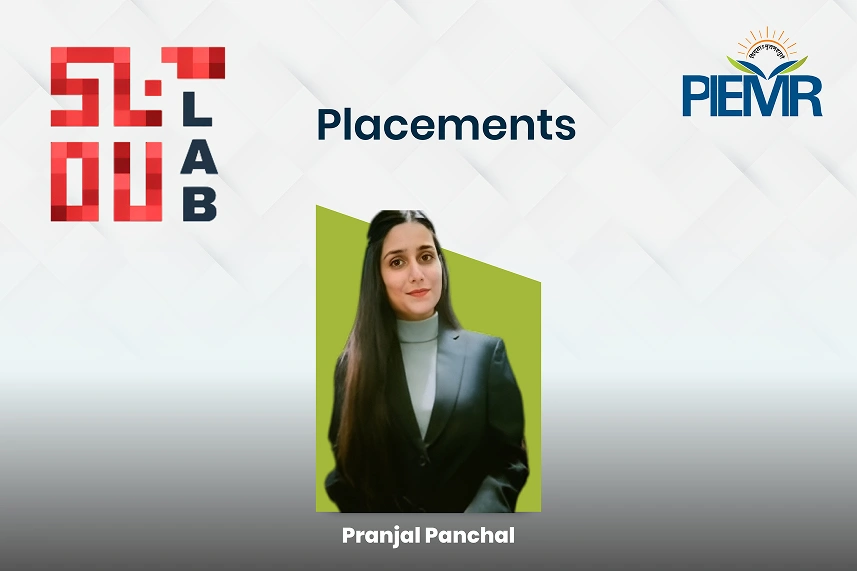
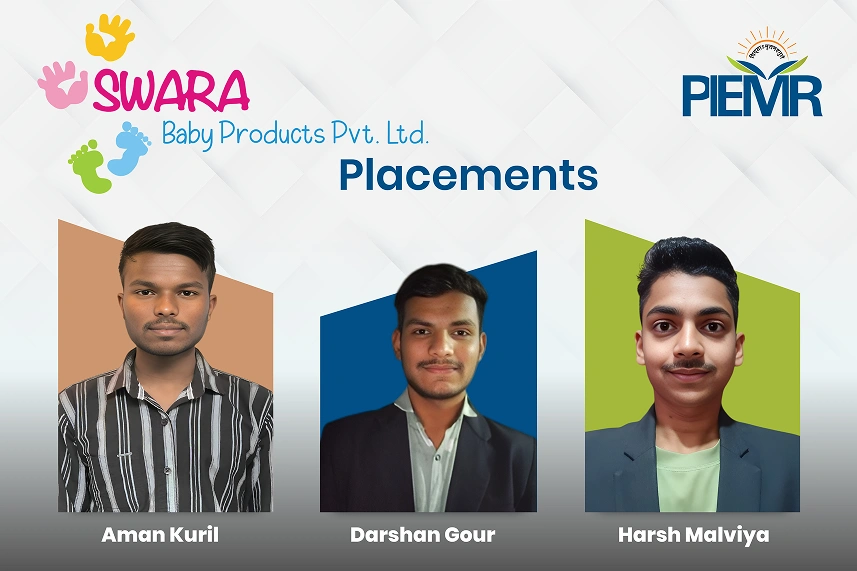
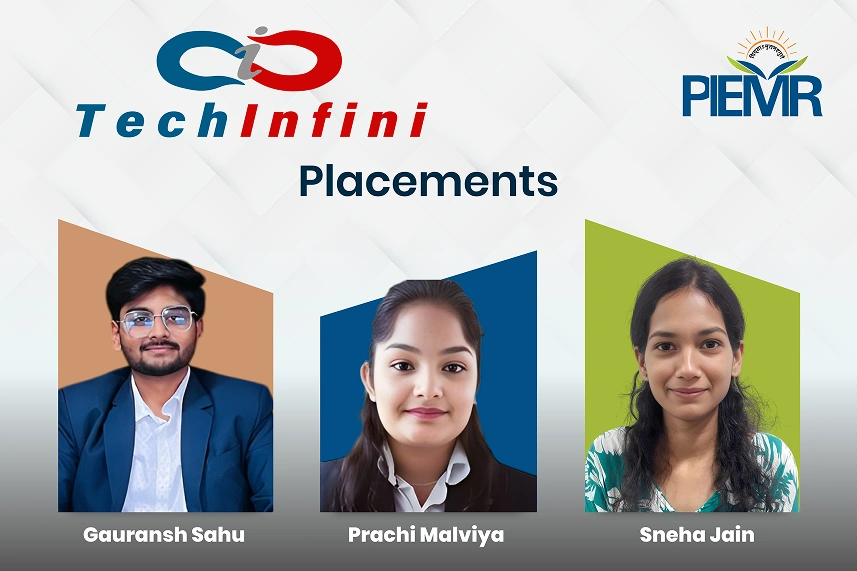
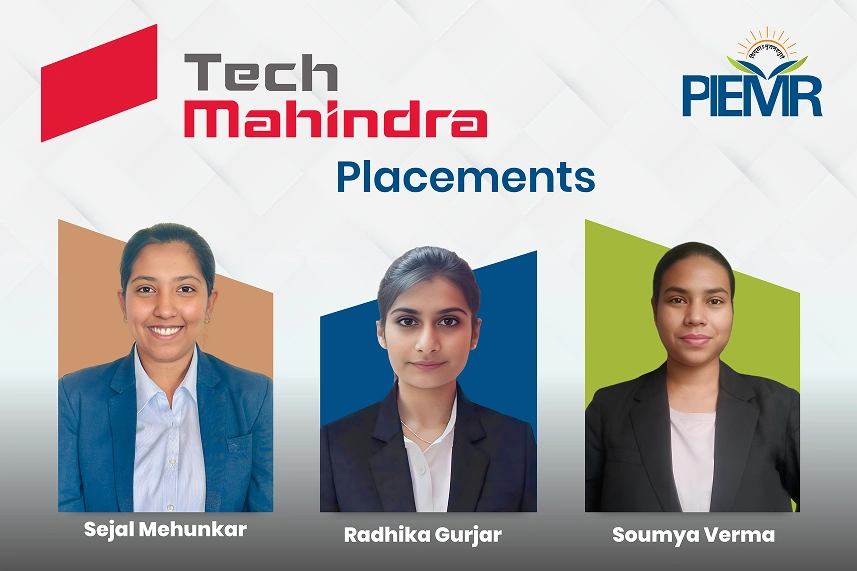
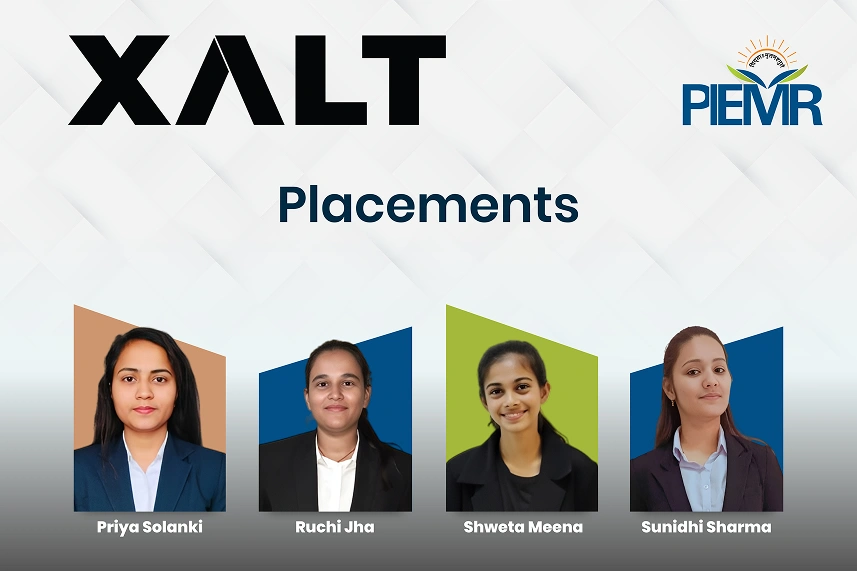
1. How does the PIEMR support student placements?
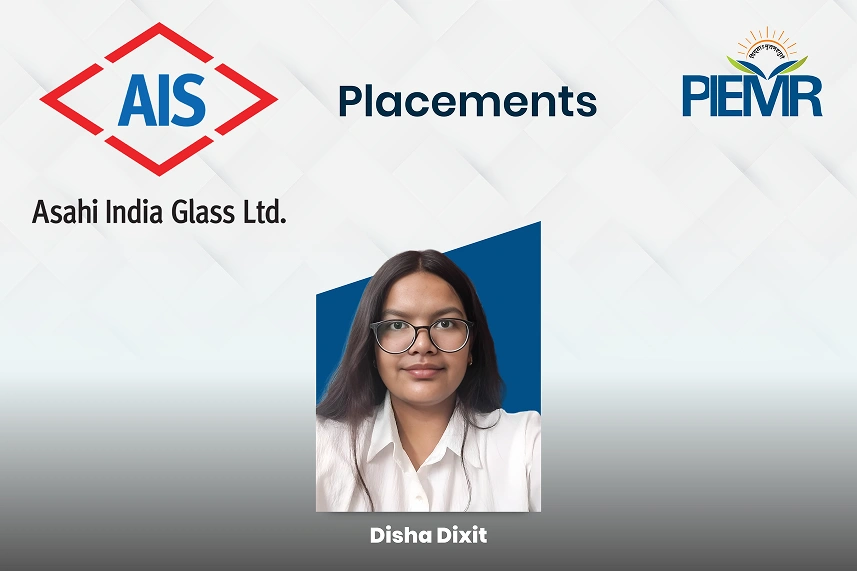
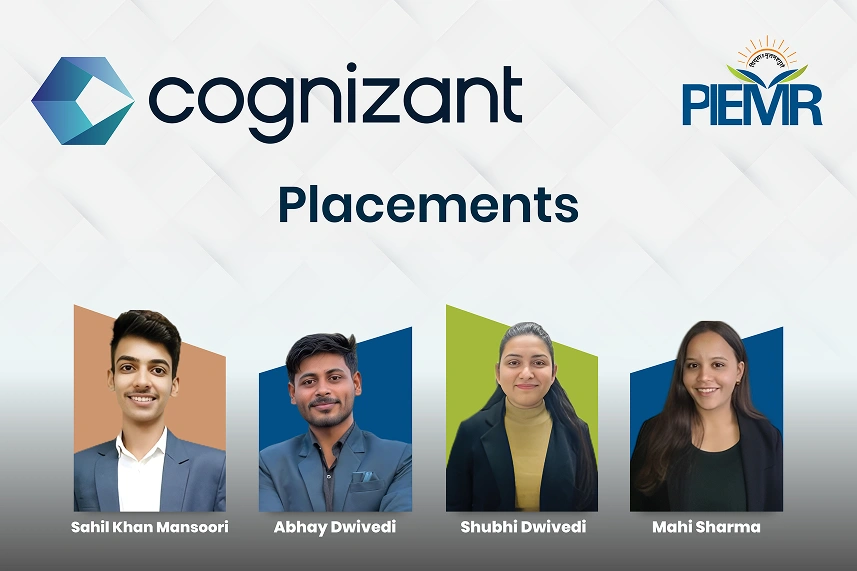
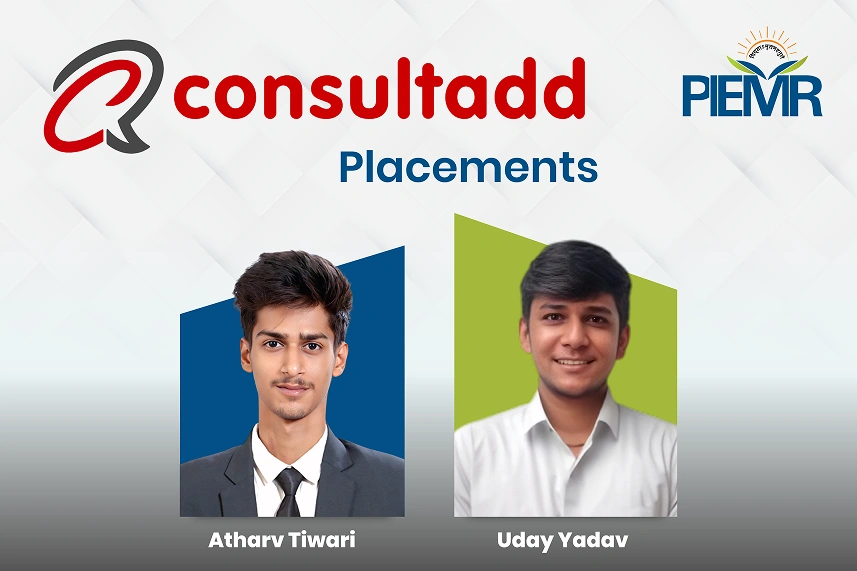
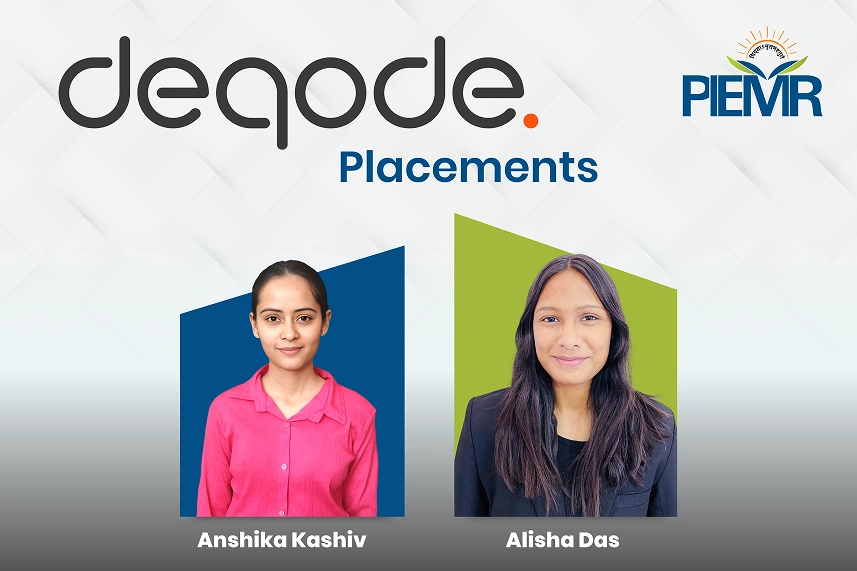
The institute has a dedicated Career Development & Placement Cell (CDPC) that provides structured career guidance, industry engagement, and placement support to students across all engineering and research programs.
2. When does placement preparation begin?
Placement preparation begins from the first year, with progressive skill development in technical competencies, communication, problem-solving, and professional readiness.
3. What types of companies recruit from the institute?
Recruiters include:
4. Are students guided for higher studies and research careers?
Yes, the institute provides comprehensive guidance for higher education and research pathways, including support for GATE, GRE, TOEFL, and international university applications.
5. Are international placement opportunities available?
Selected students receive international exposure and global career opportunities through multinational recruiters, international internships, and global research collaborations.
6. How does the institute support diversity in career outcomes?
The institute supports diverse career aspirations including:
7. What support is provided after graduation?
Alumni receive lifelong career support, including networking opportunities, career transitions assistance, and access to institutional resources.
8. How does the institute ensure ethical and transparent placement process?
All placement activities follow transparent, equitable, and ethical recruitment practices, aligned with institutional values and regulatory guidelines.